 Skip to content



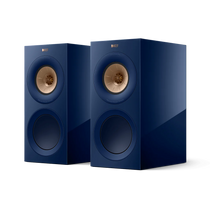
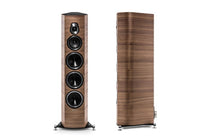
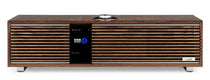
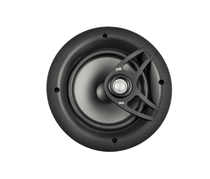
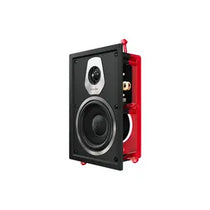
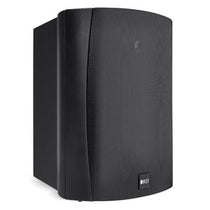
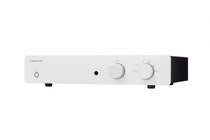
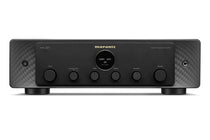
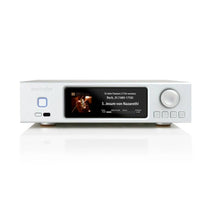
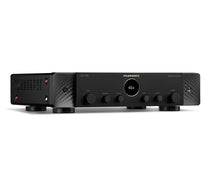
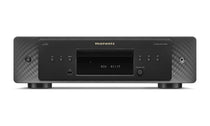
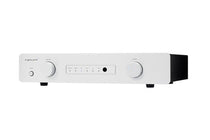
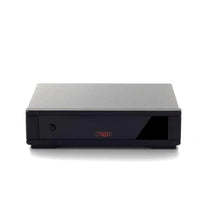


A lot of speaker and amp mismatches start with a simple mistake - buying with the eyes instead of the ears. A gorgeous pair of floorstanders might promise deep bass and scale, but if the amplifier can’t control them properly, the result can be flat, strained or just plain underwhelming. If you’re wondering how to match amplifier and speakers, the good news is that it’s not magic, and it doesn’t need to be buried in jargon.
The aim is straightforward. You want an amplifier that can drive your speakers confidently in your room, at your listening levels, with the kind of music or TV content you actually enjoy. That means looking at power, impedance, sensitivity and system balance together, not as isolated specs.
How to match amplifier and speakers without overthinking it
The best starting point is to ignore the old myth that there’s one perfect wattage number that guarantees a good match. In real systems, matching is about compatibility and control more than chasing the biggest figure on the box.
Speakers place an electrical load on the amplifier. The amplifier needs to supply enough clean power into that load without stress. Some speakers are easy to drive and sound lively with modest amplification. Others need more current and grip to sound open and dynamic. Two speakers with the same quoted power handling can behave very differently once you get them into a room.
That’s why a compact amp can sound brilliant with one pair of standmounts and a bit lost with another. It depends on the speaker design, the room size and how hard you want to push the system.
Start with speaker sensitivity
Sensitivity tells you how loud a speaker will play from a given amount of power, usually measured as decibels at 1 watt from 1 metre. This is one of the most useful specs when working out amplifier matching.
A speaker rated at 88dB sensitivity will need more power to reach the same volume as one rated at 91dB. That 3dB gap might not sound like much on paper, but it effectively means needing about double the amplifier power for the same output.
In practical terms, higher-sensitivity speakers are generally easier to drive. They suit lower-powered amplifiers and can work beautifully in smaller rooms or more relaxed listening setups. Lower-sensitivity speakers often benefit from more amplifier power, especially if you like realistic volume, wide dynamics or a larger room-filling sound.
This doesn’t mean high sensitivity is always better. Some less sensitive speakers can offer excellent refinement, bass extension and tonal balance. It just means they may ask more of the amplifier.
Impedance matters more than most people think
Speaker impedance is usually quoted as 4, 6 or 8 ohms, but that single figure doesn’t tell the whole story. Speaker impedance changes across the frequency range, and some speakers dip lower than their nominal rating. Those dips can make life tougher for an amplifier.
An 8-ohm speaker is often easier to drive than a 4-ohm speaker, but not always. What really matters is whether the amplifier is stable and comfortable with the speaker’s load. A well-designed amp with solid current delivery can handle demanding speakers far better than a cheaper amp with an optimistic power rating.
If a speaker is rated at 4 ohms, it’s wise to pair it with an amplifier that explicitly supports 4-ohm loads. If the amp manufacturer only quotes performance into 8 ohms and stays vague about lower impedances, take that as a sign to ask more questions before pairing them.
Power ratings: useful, but not the whole story
This is where most people get tripped up. Speaker power handling and amplifier power output are often treated like puzzle pieces that must line up exactly. They don’t.
A speaker rated for 30 to 120 watts does not need a 120-watt amplifier to work properly. It means the speaker is generally designed to operate safely within that range under normal conditions. Likewise, a 60-watt amplifier is not automatically too small or too dangerous.
In fact, a quality amplifier with honest power can be safer than an underpowered amp driven into clipping. Clipping happens when an amplifier runs out of clean power and starts distorting. That distorted signal can damage tweeters and make the whole system sound harsh.
For most home HiFi systems, it’s better to have enough clean headroom than to run an amp flat out all the time. If your speakers are moderately sensitive and your room isn’t enormous, something in the 50 to 100 watts per channel range is often plenty. If the speakers are harder to drive or the room is open-plan, stepping up in amplifier capability can make a very audible difference.
Room size changes the answer
A pairing that sounds balanced in a small unit can struggle in a large living area with hard floors and high ceilings. Bigger rooms swallow energy, especially in the bass, and they usually demand more from both the speakers and amplifier.
If you mostly listen in a smaller room at moderate levels, you may not need huge power reserves. If you’re trying to fill a big lounge, combine music listening with home theatre duties, or like live-level playback, the amp needs more authority.
This is also why broad advice online can be misleading. The same speaker and amplifier combo may be ideal for one person and disappointing for another because the room and use case are completely different.
Think about control, not just volume
A good amplifier does more than make speakers louder. It controls the drivers, especially in the bass. When an amp has the current delivery and stability to keep a speaker in check, bass sounds tighter, timing improves and the whole presentation feels more composed.
You’ll often notice this when comparing entry-level amplification with something more capable. The volume may not be dramatically different, but the system sounds more confident. Bass notes start and stop more cleanly, vocals sit better in the mix and complex passages don’t turn to mush.
That’s one reason premium speakers can sound a bit ordinary on the wrong amp. They’re revealing enough to show up weaknesses upstream.
How to match amplifier and speakers in the real world
If you want a practical shortcut, start with the speakers you love, then choose an amplifier known to suit them. Most buyers build systems this way because speakers have the biggest influence on the overall presentation and need to work with your room.
From there, check three things. First, is the speaker sensitivity reasonably compatible with the amp’s output? Second, is the amplifier rated to handle the speaker’s nominal impedance? Third, does the combination suit how you actually listen - background music, focused stereo sessions, vinyl, streaming, or movie nights with plenty of impact?
This is where a specialist HiFi retailer can save you time and expensive trial and error. On paper, two amplifiers with similar wattage can behave very differently with the same speaker. One may sound lean and strained, while the other feels effortless. Specs help narrow the field, but listening still matters.
Common matching mistakes
One common mistake is pairing current-hungry speakers with a lightweight amp because the wattage figure looks close enough. Another is overbuying speakers for the room, then trying to fix the imbalance with more amplifier power.
There’s also the trap of assuming expensive always means compatible. High-end components still need synergy. Some amps lean warm, some are more neutral, and some speakers are more revealing or forward than others. A technically safe match is not always the most enjoyable one.
Cables and source components matter too, but they won’t rescue a poor amp-speaker pairing. Get the fundamentals right first.
Valve amps, integrated amps and AV receivers
Not all amplification behaves the same way. A valve amp may have lower quoted power but still sound wonderfully alive with efficient speakers. An integrated stereo amplifier is often the best fit for music-first systems because the design budget is focused on two-channel performance. An AV receiver can be the right choice for home theatre, but when many channels are driven, real-world power per channel can be lower than the headline spec suggests.
So if you’re comparing amplifier types, don’t just compare wattage. Consider what kind of speaker load they like, how you use the system and whether music or cinema is the priority.
When to trust your ears over the spec sheet
Specifications are there to prevent obvious mismatches. They’re not there to tell you exactly how a system will feel when you sit down with your favourite album.
If a combination sounds thin, congested or fatiguing, that matters. If another pairing draws you into the music and stays composed when the volume rises, that matters more. At The HiFi Shop, this is why proper demonstrations are worth their weight in gold. A short listen can often confirm what pages of specs can’t.
The smart way to match amplifier and speakers is to treat the numbers as guardrails, not the whole journey. Aim for a system that is electrically compatible, suited to your room and strong enough to play cleanly without stress. Do that, and the gear stops sounding like gear and starts sounding like music.