 Skip to content






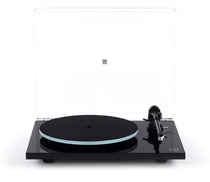
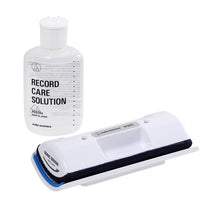
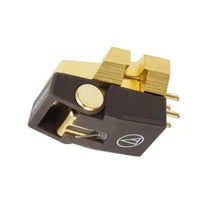

That slight edge on vocals, the extra crackle between tracks, the feeling that your records have lost a bit of life - those are often the first signs you need a stylus replacement service. And while the stylus is a tiny part of your turntable setup, it has an outsized effect on sound quality, record wear and how much you enjoy your vinyl collection.
A lot of people put this job off because it looks simple from a distance and fiddly up close. Fair enough. Some styli are straightforward to swap, while others are tied to cartridge alignment, tracking force and arm setup. That is where a proper service makes a real difference. It is not just about fitting a new tip. It is about making sure your turntable is actually playing records the way it should.
What a stylus replacement service actually does
In the simplest terms, a stylus replacement service involves removing a worn or damaged stylus and fitting the correct replacement for your cartridge. But on a decent HiFi system, that is only part of the job.
A good technician will first confirm what cartridge is fitted and whether it accepts a user-replaceable stylus at all. Many moving magnet cartridges do. Moving coil cartridges do not, which changes the conversation completely. In those cases, you may be looking at a cartridge replacement or specialist rebuild rather than a basic stylus swap.
From there, the service should include checking the condition of the cartridge body, cantilever, headshell connections and tonearm setup. If the previous stylus has been worn for a while, the turntable may also need its tracking force and anti-skate checked again after the new stylus is fitted. Tiny adjustments matter here. A turntable can still make sound when setup is off, but that does not mean it is performing properly.
Why stylus wear matters more than many people think
A worn stylus does not just sound average. It can damage records. That is the part that catches people out.
As the stylus wears down, its contact with the groove changes. Instead of tracing the groove cleanly, it can start to mistrack, smear detail and put extra stress on the record walls. You might hear sibilance, distortion on louder passages or a general flattening of the sound. Sometimes it creeps in gradually enough that you only notice when a new stylus goes on and everything suddenly opens up again.
How long a stylus lasts depends on the stylus profile, how clean your records are, how well the turntable is set up and how often you play records. A rough guide can be a few hundred to around a thousand hours, but that range is broad for a reason. For example, we supply Backbeat Records in Nambour stylus once a year. A carefully maintained elliptical or fine-line stylus on clean vinyl can last well. A neglected stylus playing dusty records on a poorly adjusted deck will not.
Signs it is time to book a stylus replacement service
Sometimes the stylus is obviously damaged. A bent cantilever, missing diamond tip or accidental knock while cleaning usually means it is time to stop using the turntable straight away. Other times the signs are subtler.
If your records sound harsher than they used to, if inner tracks are breaking up, if one channel seems less stable, or if the cartridge starts skipping on records that used to play cleanly, the stylus should be checked. Not every playback issue is caused by stylus wear. Dirty records, arm setup, phono stage problems and even damaged pressings can muddy the waters. That is another reason a service is useful. It separates a stylus problem from a broader turntable problem.
For vinyl listeners with larger collections, keeping a rough record of stylus hours is worth doing. It does not need to be obsessive. Even a note on your mobile can help you avoid guessing.
Stylus replacement service versus DIY
There are cases where replacing a stylus yourself is perfectly reasonable. If you have a common moving magnet cartridge with a plug-in stylus assembly, and you are confident you have the correct replacement, the physical swap may only take a minute or two.
The catch is what happens around that minute. It is easy to order the wrong stylus version, especially with older cartridges or models that have several compatible options. It is also easy to fit a stylus correctly but miss a setup issue that is holding the deck back. If tracking force is off, if the cartridge has shifted slightly, or if the old stylus was masking another fault, your new stylus may not deliver the result you expect.
DIY also becomes less appealing once you are dealing with more expensive cartridges, delicate cantilevers or turntables that have not been serviced in years. Saving a bit of money on fitting is not much comfort if the cartridge gets damaged in the process.
Why cartridge type changes the answer
One of the biggest misunderstandings around a stylus replacement service is assuming every cartridge works the same way.
With most moving magnet cartridges, the stylus assembly can be removed and replaced while keeping the cartridge body in place. That makes servicing easier and generally more affordable. It also means there can be upgrade paths within the same cartridge family, where a better stylus profile lifts performance without changing the whole cartridge.
With moving coil cartridges, the stylus is usually not user-replaceable. If the stylus is worn or damaged, the cartridge may need retipping, factory exchange or full replacement. That is a different level of cost and turnaround, but often worthwhile on quality cartridges where performance is a step up.
Then there are older or discontinued cartridges, where the correct stylus is no longer obvious. Some aftermarket replacements are decent. Some are not. A cheap stylus that technically fits is not always a good match sonically or mechanically.
What to expect from a proper service bench
A worthwhile stylus replacement service should feel like maintenance, not just a parts sale. The fitter should be looking at the whole front end of your analogue setup.
That usually means confirming cartridge compatibility, inspecting stylus wear or damage, fitting the replacement carefully and checking arm balance, tracking force and anti-skate. Depending on the turntable, azimuth and alignment may also need attention. If the turntable has developed hum, inconsistent channel balance or speed issues, those should be flagged rather than ignored.
This matters because vinyl replay is a chain. The stylus may be the contact point with the record, but the cartridge, arm and turntable all influence the outcome. A new stylus on a poorly set up deck can still leave you with underwhelming sound.
For many listeners, especially those returning to vinyl after years away, having someone who can explain what has been done in plain English is just as valuable as the fitting itself. You want to know what was replaced, why it mattered and what to keep an eye on next.
Is it better to replace the stylus or upgrade the cartridge?
It depends on what you already have.
If your current cartridge is a good match for the turntable and phono stage, a stylus replacement is usually the sensible move. It restores performance without changing the character of the setup too much, and it is often the best value option.
If the cartridge is very basic, worn beyond a practical repair path or no longer supported with quality replacements, a cartridge upgrade may be smarter. That can bring a worthwhile lift in detail, tracking and tonal balance, especially on turntables that are capable of more than the original cartridge was giving.
There is a trade-off, though. A cartridge upgrade may also mean more setup time, higher cost and a closer look at whether the rest of the system is ready to show the benefit. Not every system needs a more expensive cartridge. Sometimes a fresh stylus and a proper setup are enough to make the whole deck sound right again.
Choosing a stylus replacement service in Australia
If you are handing over your turntable or cartridge, look for a specialist rather than a general electronics counter. Vinyl replay is precise work. The right service should understand cartridges, tonearms and the practical differences between brands and stylus types, not just sell you a replacement part from a catalogue.
For Sunshine Coast listeners and anyone nearby, this is where a specialist retailer with real service capability earns its keep. At The HiFi Shop, for example, stylus and cartridge work sits alongside turntable setup, system matching and broader audio servicing, which means you are not dealing with the analogue side in isolation.
That joined-up approach matters because a turntable rarely exists on its own. It is part of a system, and small improvements at the source can pay off across everything downstream.
If your records are starting to sound a bit tired, do not assume the vinyl is to blame. A fresh stylus, fitted properly and backed by the right setup, can bring your collection back into focus and help you enjoy every side with a lot more confidence.