 Skip to content



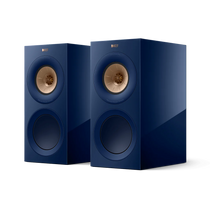
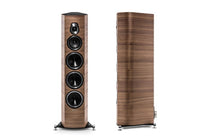
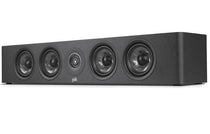
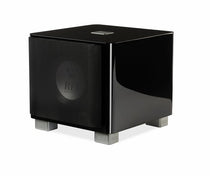



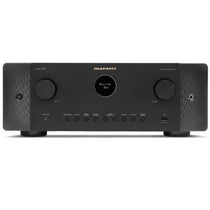
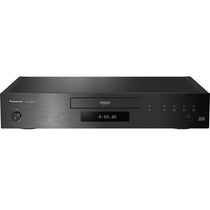

You can spend a lot on audio gear and still end up with a system that leaves you cold. We see it often - beautiful speakers in the wrong room, an underpowered amplifier, or a turntable setup let down by a worn stylus. Good home audio system advice is not about chasing the most expensive box. It is about building a system that suits your room, your listening habits and the way you actually live.
For most people, the smartest starting point is not the brand badge or the spec sheet. It is asking a few blunt questions. What are you listening to most often? Vinyl, streaming, CDs, TV audio, or a bit of everything? How loud do you listen? Are you setting up in a small unit, an open-plan living area, or a dedicated music room? The answers shape everything that follows.
Home audio system advice starts with the room
The room is not a side issue. It is part of the system. A compact pair of bookshelf speakers can sound balanced and engaging in a modest lounge room, while a large floorstander in that same space might load the bass too heavily and become tiring. On the other hand, a big open-plan room can make smaller speakers sound thin unless they are paired carefully or supported by a subwoofer.
Hard surfaces matter too. Glass, tiled floors and bare walls tend to reflect sound and make a system seem brighter or less controlled. Rugs, curtains, bookshelves and soft furnishings often improve things more than people expect. Not because they perform magic, but because they reduce the splashy reflections that blur detail and vocals.
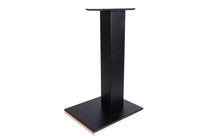
Speaker placement is another easy win. If your speakers are jammed into a cabinet or pushed hard against the wall, you are limiting what they can do. Giving them a bit of breathing room, getting the stands right, and angling them properly towards the listening position can make a bigger difference than swapping cables ever will.
Choose the system type before the components
One of the most useful bits of home audio system advice we can give is to decide what kind of system you want before comparing individual products. That sounds obvious, but many buyers end up mixing priorities.
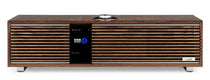
If you want simple daily use with strong streaming support, an all-in-one amplifier or powered speaker setup may be the right fit. These systems are tidy, easy to control from your mobile, and can sound far better than people expect if chosen well.
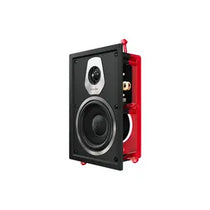
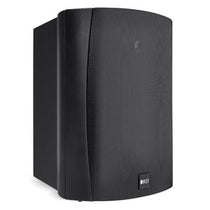
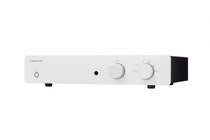
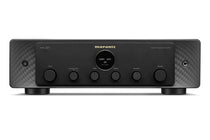
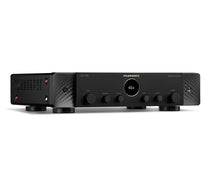
If you are building a traditional stereo for serious music listening, separates still make a lot of sense. A dedicated amplifier, a proper pair of passive speakers and a source component such as a streamer, turntable or CD player usually give you more upgrade flexibility and often better long-term value.
If the system also needs to handle TV and movies, it depends how far you want to go. A quality two-channel setup can make television sound dramatically better and still keep music performance front and centre. If surround sound is the goal, you need to think in terms of AV receivers, centre channels, subwoofers and speaker matching from the start.
Get the speaker and amplifier match right
This is where plenty of systems go off track. People either buy speakers based on looks alone, or they choose an amplifier because the wattage number seems impressive. Neither tells the full story.
Some speakers are easy to drive and work happily with modest amplification. Others need more current and control to sound alive. A weak amplifier paired with demanding speakers can sound flat, strained or lacking in bass grip, even at ordinary listening levels. A strong, well-matched amplifier does not just play louder. It usually sounds cleaner, more stable and more relaxed.
That said, bigger is not automatically better. In a smaller room, a sensible amplifier and well-designed speakers can be a better result than a powerhouse setup that never gets out of first gear. Balance matters more than bragging rights.
This is where listening in person helps. Two systems with similar pricing can present music very differently. One may sound warm and full, another more open and detailed. Neither is universally right. It comes down to what you enjoy and what works in your room.
Don’t ignore the source
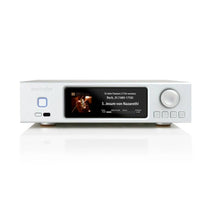
A home audio system is only as convincing as the signal you feed into it. If streaming is your main source, the quality of the streamer, DAC and app experience all matter. A reliable platform with good file support and stable control will get used more often than a fiddly setup, even if the latter looks better on paper.
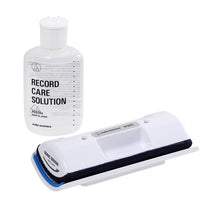
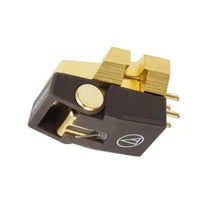
For vinyl listeners, setup matters just as much as the turntable itself. Cartridge alignment, tracking force, phono stage matching and stylus condition all affect sound. A decent turntable poorly set up can underperform badly. A modest but properly adjusted deck can be a pleasure to live with for years.
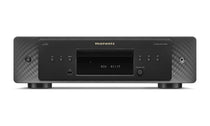
CD is still a strong option for buyers who value consistency and own a good disc collection. Physical media remains simple, dependable and free of subscription fatigue. There is nothing old-fashioned about choosing the format that suits your habits best.
Spend where it counts
There is no perfect formula for dividing your budget, but there are some patterns that tend to hold up. Speakers usually have the biggest influence on the overall character of the sound, so they deserve serious attention. The amplifier should be good enough to control them properly. After that, the source should match how and what you listen to.
A common mistake is overspending on one hero component and squeezing the rest. Expensive speakers paired with a compromised amplifier rarely show their strengths. Likewise, a premium turntable through a very ordinary phono stage can leave you wondering where the magic went.
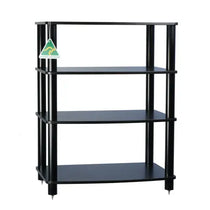
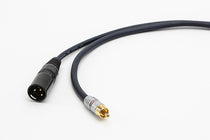
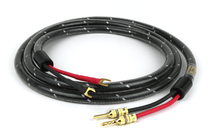
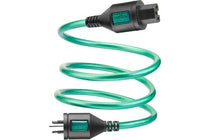
Accessories matter, but they should come after the fundamentals. Good speaker stands, sensible cabling and basic acoustic treatment can absolutely help. They just should not consume the budget before you have the core system sorted.
Think about ease of use
This part gets overlooked by enthusiasts and regretted by everyone else. The best-sounding system in the world is no good if it is awkward enough that you stop using it.
If several people in the household need to operate it, keep that in mind. Streaming convenience, remote control layout, app stability and TV integration all make a difference to day-to-day enjoyment. Some buyers are happy with a dedicated stereo setup and a bit of ritual. Others want one-button simplicity. Both are valid.
Future needs matter too. You may want extra inputs for a turntable later, HDMI ARC for television, multi-room audio, or service support for ageing components. Buying with a bit of headroom can save money and frustration down the track.
New system or upgrade?
Not every improvement requires a complete rebuild. Sometimes the best result comes from fixing the weak link in an existing setup. That could mean replacing worn cartridges or styli, updating a streamer, adding a DAC, improving speaker placement, or moving from an entry-level amp to something with more authority.
Older HiFi gear can still be excellent, but condition matters. Scratchy pots, tired capacitors, transport issues and firmware quirks can all drag performance down. Proper servicing is not glamorous, but it often brings a good component back to life and helps you make smarter upgrade decisions. There is little point replacing a whole system when one repair or adjustment would have solved the problem.
The value of hearing it properly
Audio is personal, and this category suffers when people are forced to buy blind from generic product pages. Reading reviews is useful, but it is not the same as hearing how a pair of speakers handles vocals, how an amp controls bass, or whether a streamer feels intuitive to use.
That is why demonstration still matters. When you can compare systems side by side, the differences become far less abstract. You stop buying specifications and start choosing what sounds right to you. For many customers, that is the point where confusion drops away and the system starts to make sense.
At a specialist retailer such as The HiFi Shop, that process is usually more valuable than the hard sell people expect. The aim should be to narrow the field, explain the trade-offs clearly and help you avoid mismatches, not push you into gear that does not suit your room or budget.
The right system is the one that gets used, keeps you listening longer and still feels right six months from now. If you start with the room, match the components properly and stay honest about how you listen, you will make better decisions and enjoy the result far more.