 Skip to content



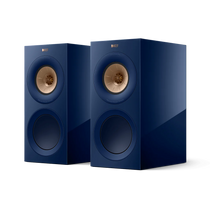
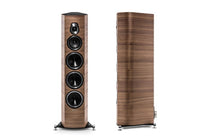
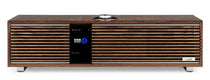
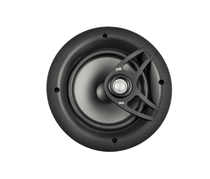
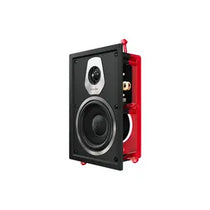
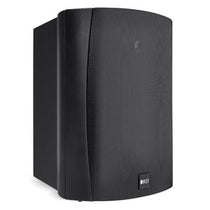
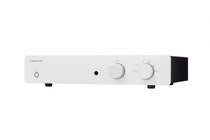
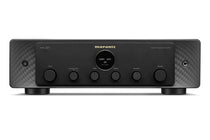
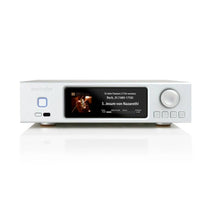
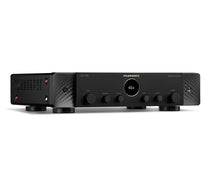
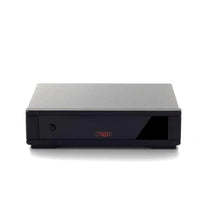
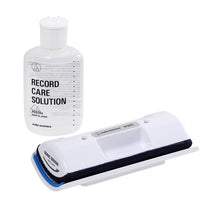
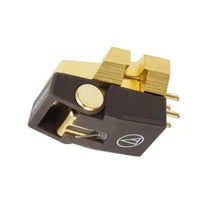

If you are searching for the best HiFi shop Australia has to offer, the answer is rarely the store with the biggest catalogue or the flashiest sale. It is usually the shop that helps you hear the difference, explains why it matters, and still picks up the phone when your streamer needs updating or your turntable needs a fresh stylus.
That matters because HiFi is not a one-box purchase for most people. A good system is a mix of components, room acoustics, listening habits and budget. Get that mix right and music becomes more involving. Get it wrong and you can spend a lot of money on gear that never quite works together.
What makes the best HiFi shop in Australia?
A proper HiFi retailer does more than move boxes. The real value is in curation. Instead of stocking everything under the sun, the best stores choose brands and products they know well, can demonstrate properly, and can support after the sale.
That sounds simple, but it changes the whole buying experience. If you are comparing speakers, for example, a specialist should be able to explain how a more detailed bookshelf model might suit a smaller room while a fuller floorstander may suit open-plan living. They should also tell you when spending more will help and when it probably will not.
There is also a difference between product knowledge and brochure knowledge. Plenty of retailers can repeat specifications. Fewer can tell you why one amplifier sounds more controlled with a certain pair of speakers, or why a cartridge setup done properly will save your records and improve tracking. That practical knowledge is what separates a specialist shop from a general electronics store.
The best HiFi shop Australia buyers trust should offer demos
You can read reviews for weeks and still not know what you actually prefer. Some listeners want a warmer, fuller presentation. Others want speed, clarity and a bit more bite. Neither is wrong. That is why demonstration matters.
A good showroom lets you hear equipment in a controlled space, compare components sensibly, and ask questions without feeling rushed. If a store cannot demonstrate stereo systems, streamers, speakers or turntables properly, you are being asked to buy on guesswork.
This is especially important when building a complete system. An amplifier might be excellent on its own, but not the best match for your chosen speakers. A network streamer might have the features you want, but a DAC upgrade may make more sense for the way you listen now. Hearing those combinations side by side can save you from expensive trial and error.
It is also worth saying this plainly: not every customer arrives knowing exactly what they want. Some are stepping up from a Bluetooth speaker. Some are returning to vinyl after years away. Some have inherited older equipment and want to know what is worth keeping. The best shop meets all of those customers where they are.
Advice should be honest, not theatrical
HiFi has a reputation for jargon, chest-beating and overblown claims. Most buyers are not interested in any of that. They want straight advice, sensible recommendations and a clear sense of where their money is going.
That means a retailer should ask a few practical questions before recommending anything. What room is the system going into? How loud do you listen? Is this for vinyl, streaming, TV audio or all three? Do you want simplicity, or are you happy with separates? Is this a long-term investment or a solid system for now with room to upgrade later?
Those questions matter because there is no single best setup for everyone. A compact streaming amplifier and quality standmount speakers might be perfect for one household. Another may be better served by a dedicated integrated amplifier, external streamer and larger speakers. A home theatre buyer has different priorities again - dialogue clarity, HDMI connectivity, subwoofer integration and room layout all come into play.
Good advice should narrow the field, not make you feel silly for having a budget.
Range matters, but curation matters more
A strong HiFi shop should carry respected brands across key categories - speakers, amplifiers, turntables, cartridges, streamers, DACs, cables and AV gear. But range by itself is not enough.
Too much choice without guidance becomes noise. A curated range is more useful because it gives buyers confidence that the products have been selected for sound quality, reliability and value at their price point. It also means staff are more likely to know the range deeply enough to compare products properly.
This is where a destination store earns its reputation. You should be able to walk in looking for a first serious stereo, a vinyl upgrade, a multi-room streaming setup or a full home theatre and get recommendations that make sense as a system. Not just as individual boxes.
For many Australians, that blend of specialist knowledge and practical system-building is what defines the best HiFi shop Australia-wide. It is not about exclusivity. It is about getting the right result in a real home.
Repairs and servicing are a big part of the picture
One of the most overlooked signs of a serious HiFi retailer is whether they can support gear after purchase - and not just by sending you to a manufacturer's help page.
Repairs, servicing and setup support tell you a lot about a store. If they can handle stylus replacement, cartridge setup, firmware support, maintenance and fault diagnosis, they are dealing with HiFi as an ongoing category, not a quick transaction.
That is valuable for both new and experienced buyers. If you are buying a turntable, proper cartridge alignment and setup are not minor details. They affect tracking, wear and sound. If you are using a streamer, firmware issues and network setup can be the difference between a smooth system and a frustrating one. If you own older gear, a retailer with technical capability can help you decide whether it is worth servicing, upgrading or replacing.
A store that offers this kind of support is usually more careful with its product recommendations too. It knows what holds up over time and what causes avoidable headaches.
Online convenience still needs real expertise
There is nothing wrong with buying HiFi online. In many cases, it is the most practical option. But online convenience works best when it is backed by real people who know the products and can guide you before and after purchase.
That is the sweet spot for a modern specialist retailer - ecommerce when you need speed, showroom consultation when you want to compare options, and technical support when the system is in your home. If a shop can offer all three, it is far more useful than one that only does checkout and delivery.
This matters even more for regional and interstate customers. You may not always be able to audition every option in person, but you should still be able to get meaningful advice based on your room, equipment, listening habits and budget. A specialist should be comfortable talking through the trade-offs rather than simply pushing the highest-priced model.
How to tell if a HiFi shop is right for you
A good test is whether the store helps you make a better decision, not a faster one. You should come away understanding why one option suits you better than another. You should feel comfortable asking basic questions and detailed ones.
Look for signs of practical experience. Do they talk about complete systems rather than isolated products? Can they explain compatibility clearly? Do they offer demonstrations? Can they help with setup, servicing or repairs? Do they stock brands with a strong track record rather than chasing every passing trend?
And pay attention to how they speak about value. Good retailers understand that value is not always the cheapest option, but it is also not automatically the most expensive. Sometimes the best move is putting more budget into speakers and less into accessories. Sometimes it is choosing a simpler amplifier with better speakers rather than overcomplicating the source chain. That kind of honesty is worth a lot.
For buyers on the Sunshine Coast and beyond, this is where a specialist such as The HiFi Shop stands apart. When a retailer can demonstrate products, build complete systems, carry trusted brands and support repairs in-house, you are dealing with more than a showroom. You are dealing with a long-term audio partner.
The best HiFi shop is the one that helps you enjoy music more at home, without making the process harder than it needs to be. If the advice is honest, the gear is well chosen, and the support continues after the sale, you are in the right place.